History, Arts & Traditions
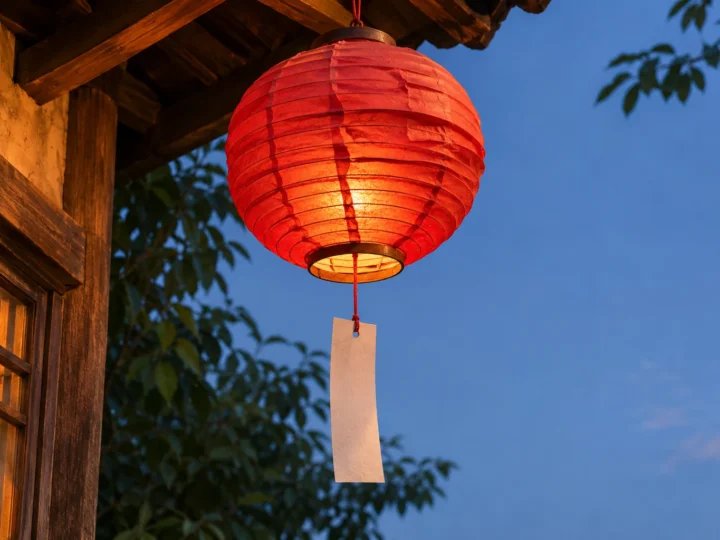
The lantern that asks a question
Lantern Festival riddles turn lantern viewing into a word game.
Read the storyA closer look at language, places and everyday life in China.
Lantern Festival riddles turn lantern viewing into a word game.
Read the storyMandarin verbs do not change for person or tense in the way English “eat”, “eats” and “ate” do.
Read the storyLiangzhu’s ancient settlement depended on a water-management landscape as well as the jade objects now displayed in museums.
Read the storyHangzhou’s craft history includes more than tea.
Read the storyBritish Chinese takeaway food has its own history, shaped by migration, family businesses, ingredients and customers in Britain.
Read the storyKaiping’s diaolou are village towers with different functions, including watchtowers, fortified homes and shared refuges.
Read the storyA red envelope can carry money together with a greeting or wish.
Read the storyAt Beijing’s experimental Haidian Dining Hall, a chipped plate links the amount of food chosen with a displayed price.
Read the storyFujian tulou are communal earthen buildings, some large enough to house hundreds of people.
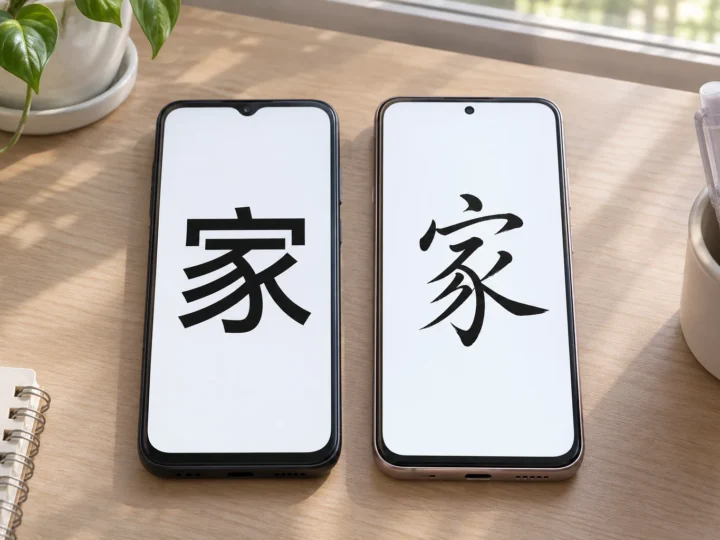
Read the storyTwo phones can display the same Chinese text with slightly different-looking strokes because the character and its drawn shape are different things.
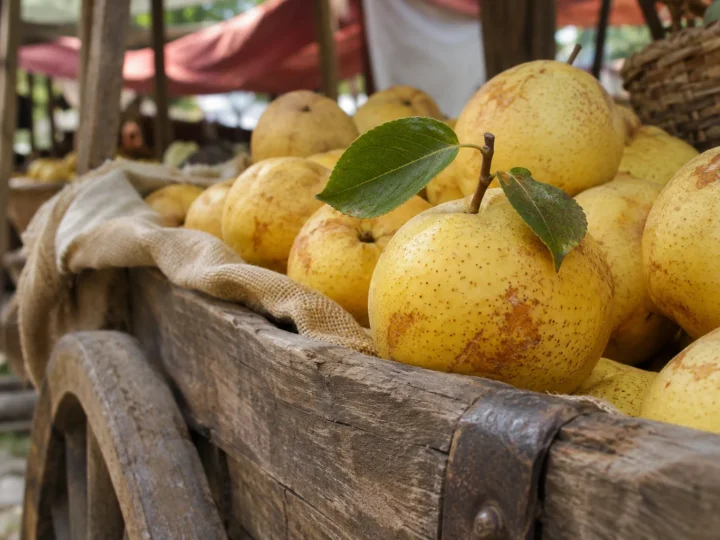
Read the storyA fruit seller refuses to spare one pear. Then a stranger grows a whole tree in front of his cart.
Read the storyDesigner Feng Chen Wang turned the geometric structure of Fujian bamboo weaving into an open-weave sweater.
Read the storyThere’s more to read.
A story you haven’t marked as read yet, chosen just for a little change of pace.
Surprise me