Everyday China
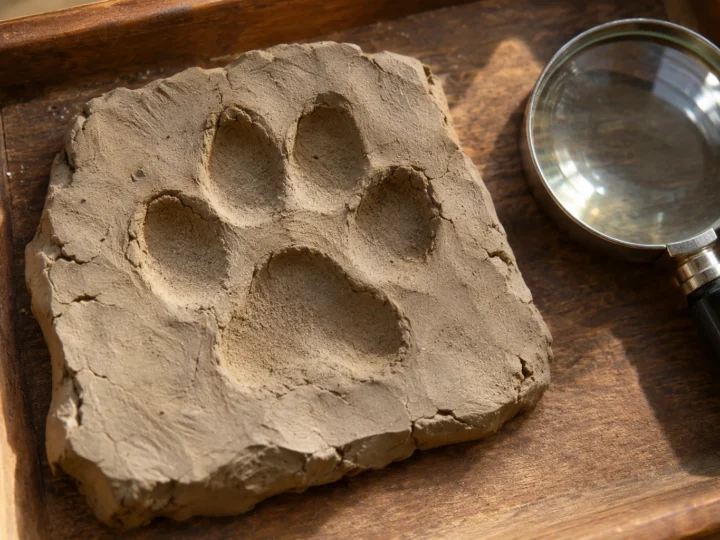
Can a cat exhibition teach you science?
Shanghai’s temporary Miaoum exhibition in 2026 brought together cats’ origins, their lives as pets and interactive science displays.
Read the storyA closer look at language, places and everyday life in China.
Shanghai’s temporary Miaoum exhibition in 2026 brought together cats’ origins, their lives as pets and interactive science displays.
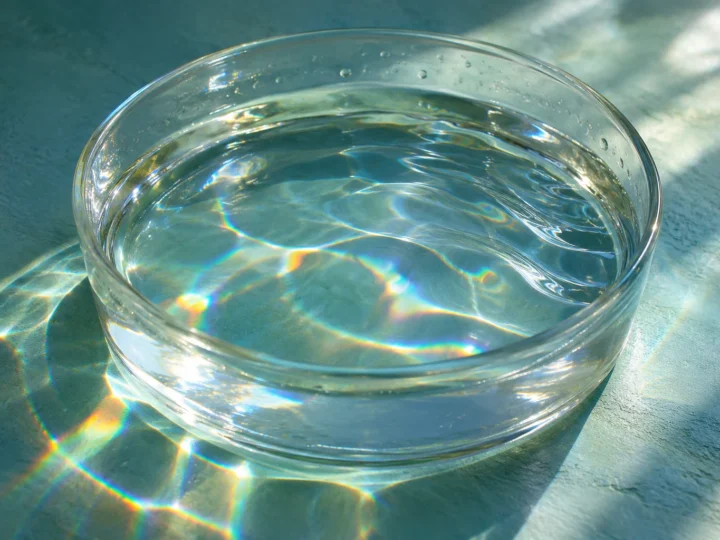
Read the storyJiuzhaigou’s lakes look blue or green because of how light interacts with the water and its surroundings.
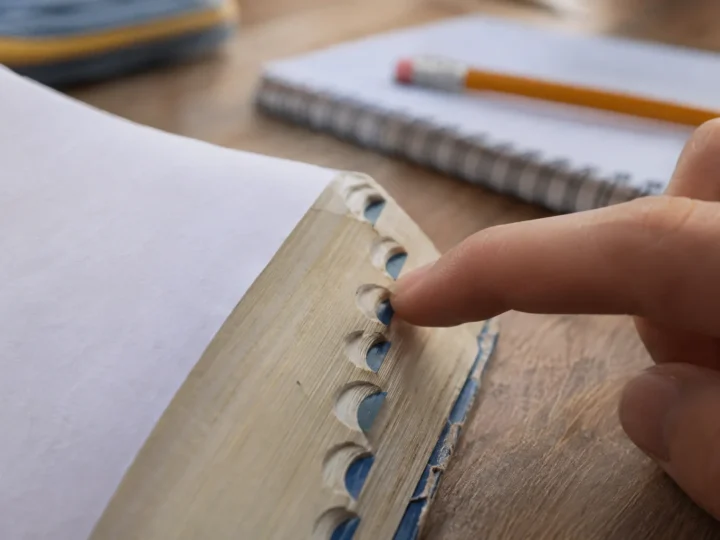
Read the storyA radical-and-stroke dictionary lets you search a Chinese character by its shape before you know its pronunciation.
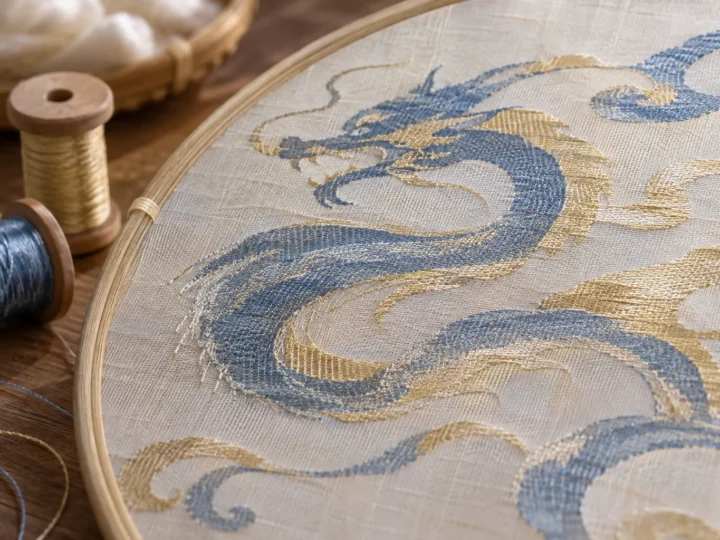
Read the storyThe dragon on this fan is woven into silk, not printed onto it.
Read the storyIn Mandarin conversation, a subject or object can sometimes go unspoken when the context already makes it clear.
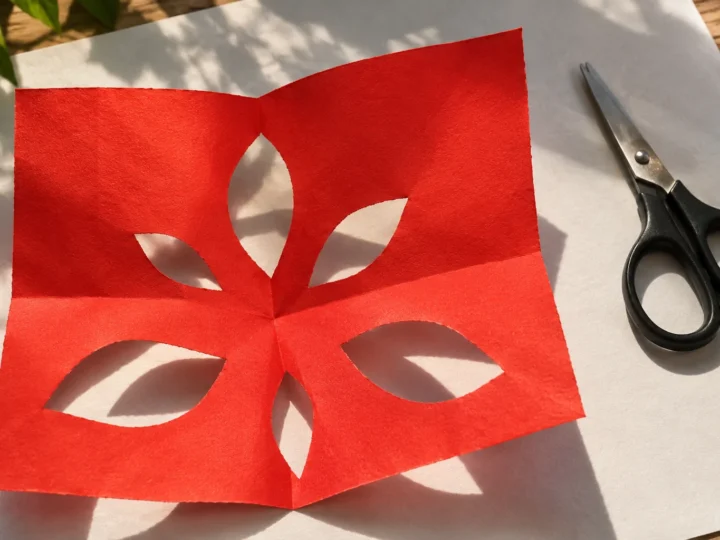
Read the storyA paper-cut works through both the paper that remains and the spaces removed.
Read the storyCoca-Cola’s Mandarin name, 可口可乐 (Kěkǒu Kělè), follows the original sound while using meaningful characters.
Read the storyIn Congjiang, Guizhou, rice, fish and ducks can share a working paddy.
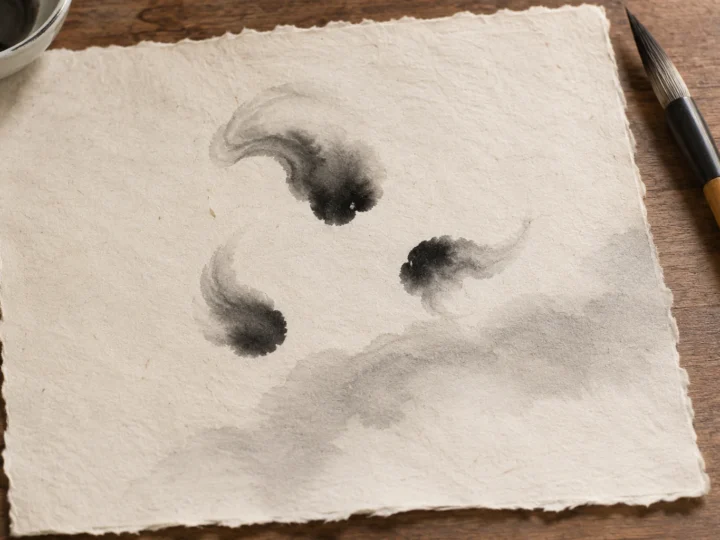
Read the storyWhere Is Mama?, a 1960 film from Shanghai’s animation history, follows tadpoles searching for their mother through an ink-wash world.
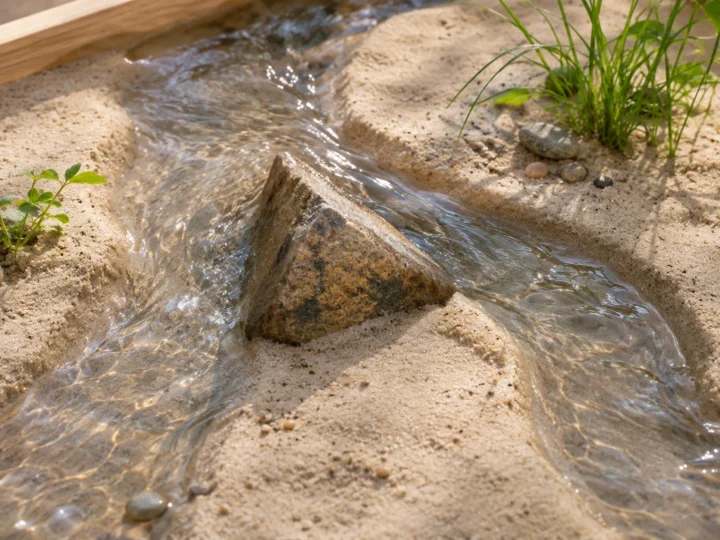
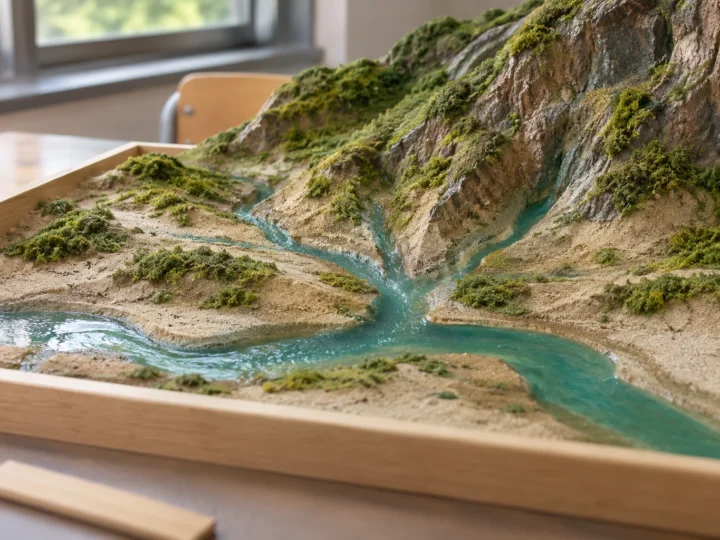
Read the storyDujiangyan in Sichuan manages river water by dividing and directing it, rather than blocking the river with a conventional dam.
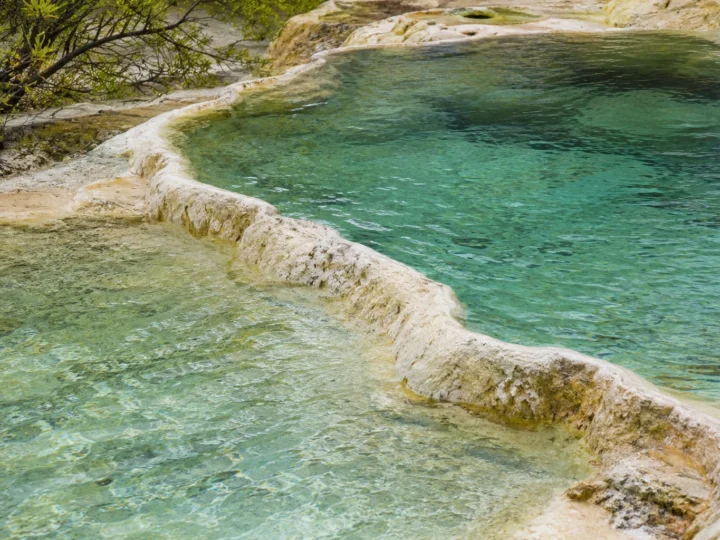
Read the storyHuanglong’s terraced pools are built by mineral deposition, not by someone arranging stone bowls.
Read the storyThe Leshan Giant Buddha is a 71-metre figure carved into a cliff during the Tang period, near the meeting of three rivers.
Read the storyThere’s more to read.
A story you haven’t marked as read yet, chosen just for a little change of pace.
Surprise me