Everyday China
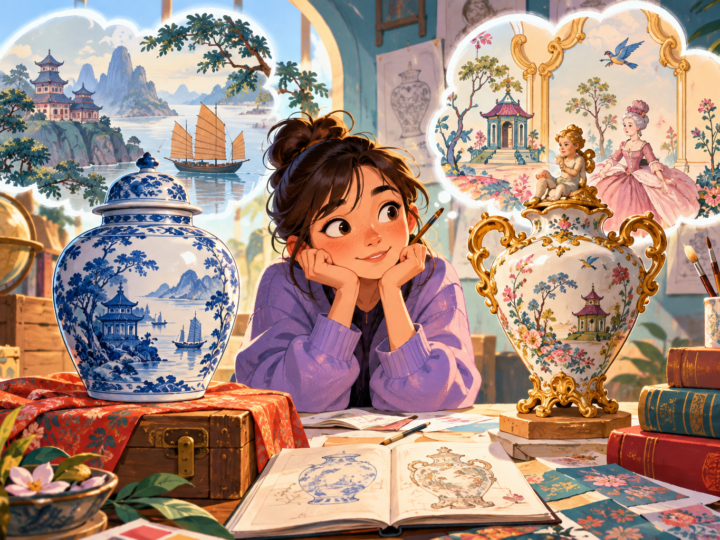
Who imagined “Chinoiserie”?
A European fashion for China-inspired decoration tells us as much about Europe as about China.
Read the storyA closer look at language, places and everyday life in China.
A European fashion for China-inspired decoration tells us as much about Europe as about China.
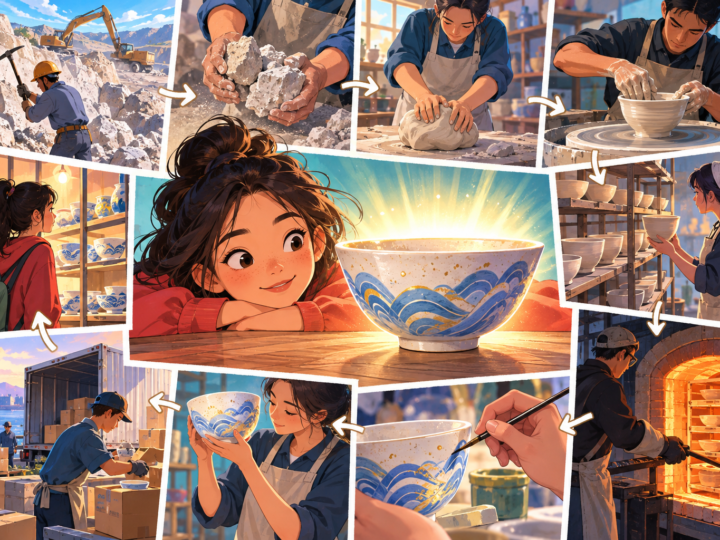
Read the storyBlue-and-white porcelain became famous in China while drawing on and inspiring wider exchanges.
Read the storyYungang’s cave layouts, giant figures and carved details show how Buddhist art developed in a particular Northern Wei setting.
Read the storyInterlocking timber brackets can look decorative while doing serious structural work.
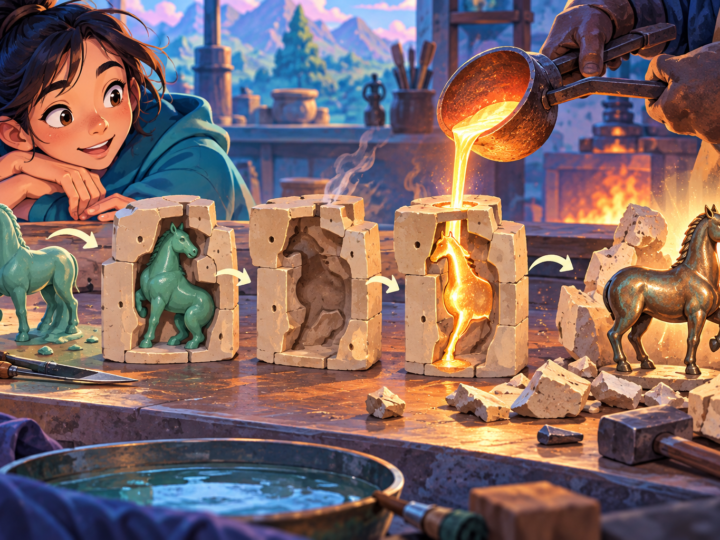
Read the storyEarly Chinese bronze vessels could begin as a puzzle made from clay pieces.
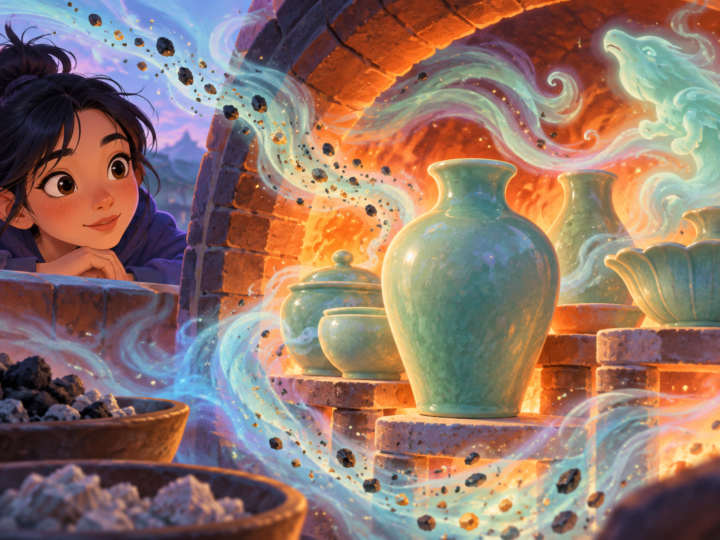
Read the storyLongquan's celadon colour is a kiln decision as well as a glaze recipe.
Read the storyA carved seal can identify someone and become an artwork in its own right.
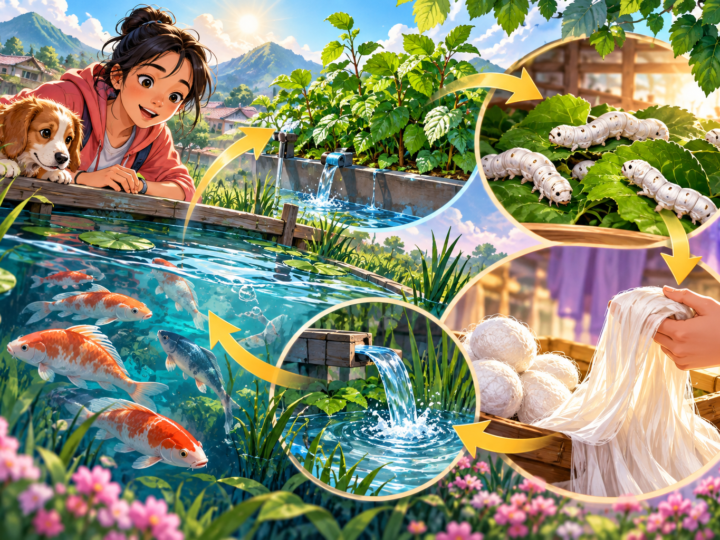
Read the storyUNESCO’s sericulture account describes a practical connection that a scarf label would never show. Silkworm waste goes into village fish ponds. Mud from…
Read the storyTraditional lacquer is built from tree sap and patient layers, not a quick coat of paint.
Read the storyAt the Hutian Ancient Kiln site, UNESCO identifies bluish-white porcelain production from the tenth to the thirteenth century. The surviving production…
Read the storyIn Huzhou, mulberry trees, silkworms and fish ponds are connected by leaves, nutrients, water and carefully timed work.
Read the storyThe Dazu carvings are not one giant picture with one simple meaning.
Read the storyThere’s more to read.
A story you haven’t marked as read yet, chosen just for a little change of pace.
Surprise me