History, Arts & Traditions
Could a chessboard be a travel object?
One nineteenth-century Chinese chessboard at the Met is made of lacquered wood. Games have material histories too.
Read the storyA closer look at language, places and everyday life in China.
One nineteenth-century Chinese chessboard at the Met is made of lacquered wood. Games have material histories too.
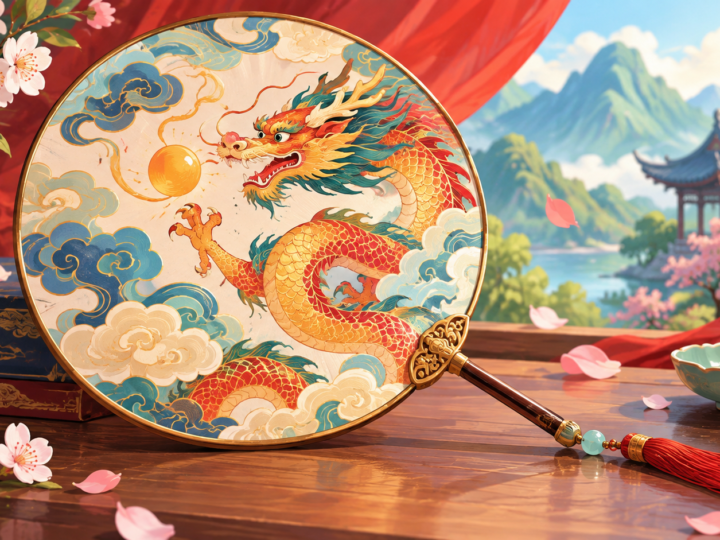
Read the storyA seventeenth-century fan at the Met joins a practical object to festival imagery.
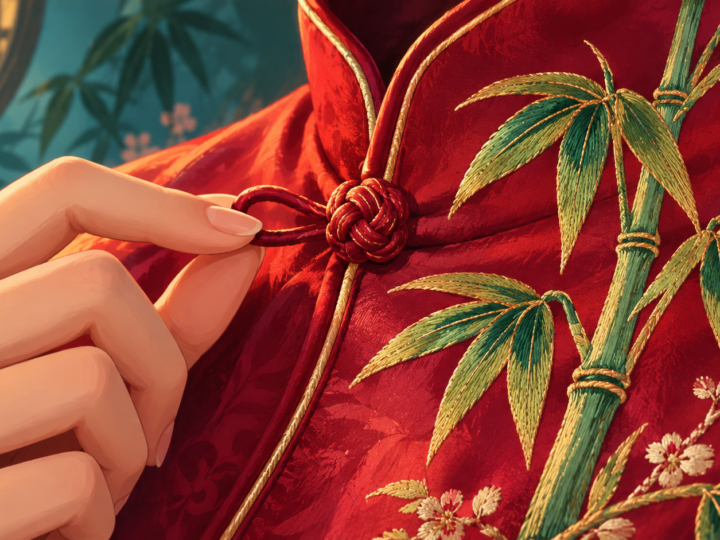
Read the storyA Shanghai-made qipao at the V&A rewards a close look at its bamboo embroidery and knotted fastenings.
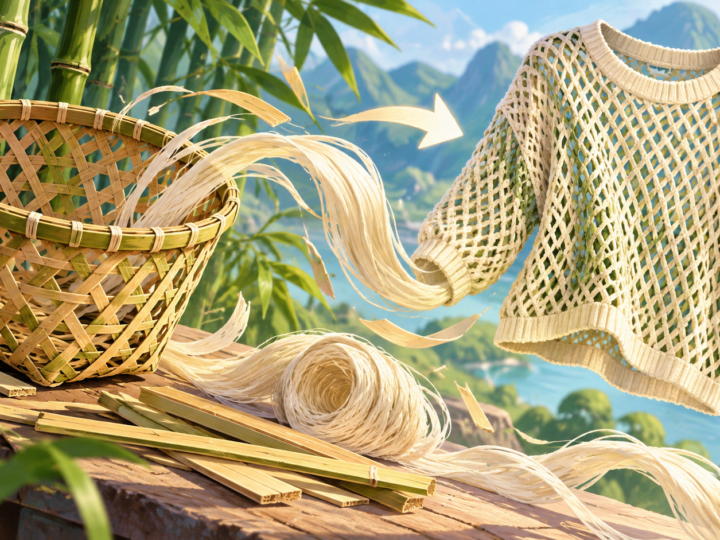
Read the storyA designer born in Fujian reworked bamboo-weaving structures into contemporary clothing.
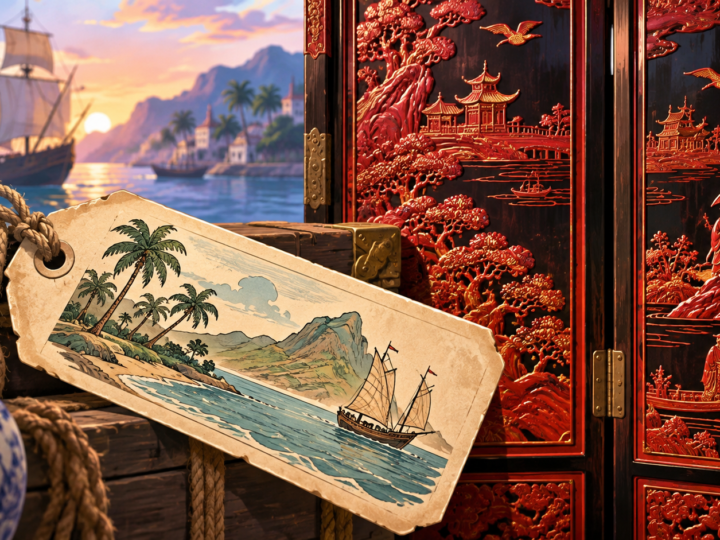
Read the storyA trade name followed a shipping route, not necessarily the object’s place of making.
Read the storySome furniture forms crossed seas so that Chinese workshops could finish them for European buyers.
Read the storyEast Asian lacquer was admired in Europe, but makers could not simply copy the material.
Read the storyOne object at the Met has inscriptions that do not sit neatly together. That makes it more interesting.
Read the storySuzhou’s account of Jiangsu Week at the 2025 Osaka Expo names a maker at work: Yu Junyao, demonstrating a goldfish pattern in silk embroidery. The report…
Read the storyHangzhou’s creative identity includes tea, silk and stone carving. A city can hold several crafts at once.
Read the storyThe Shenzhen Design Award for Young Talents, often shortened to SDAY, began in 2013. Its organiser describes a programme for designers under thirty-five,…
Read the storyA vertical page changes more than the direction your eyes travel.
Read the storyThere’s more to read.
A story you haven’t marked as read yet, chosen just for a little change of pace.
Surprise me