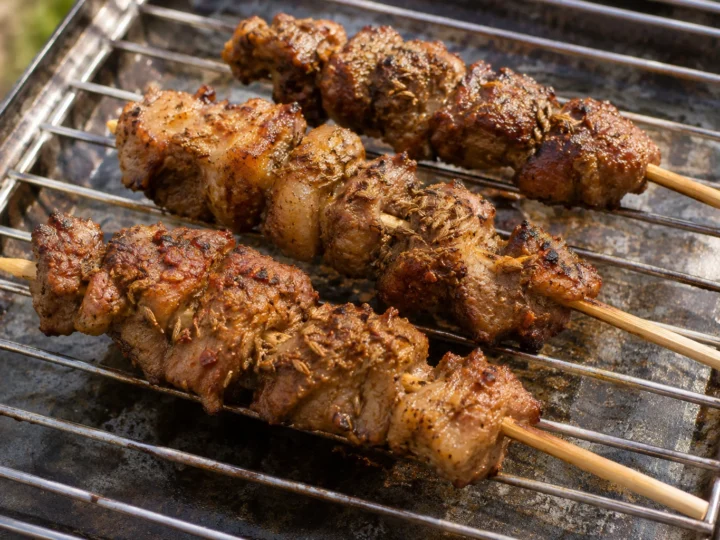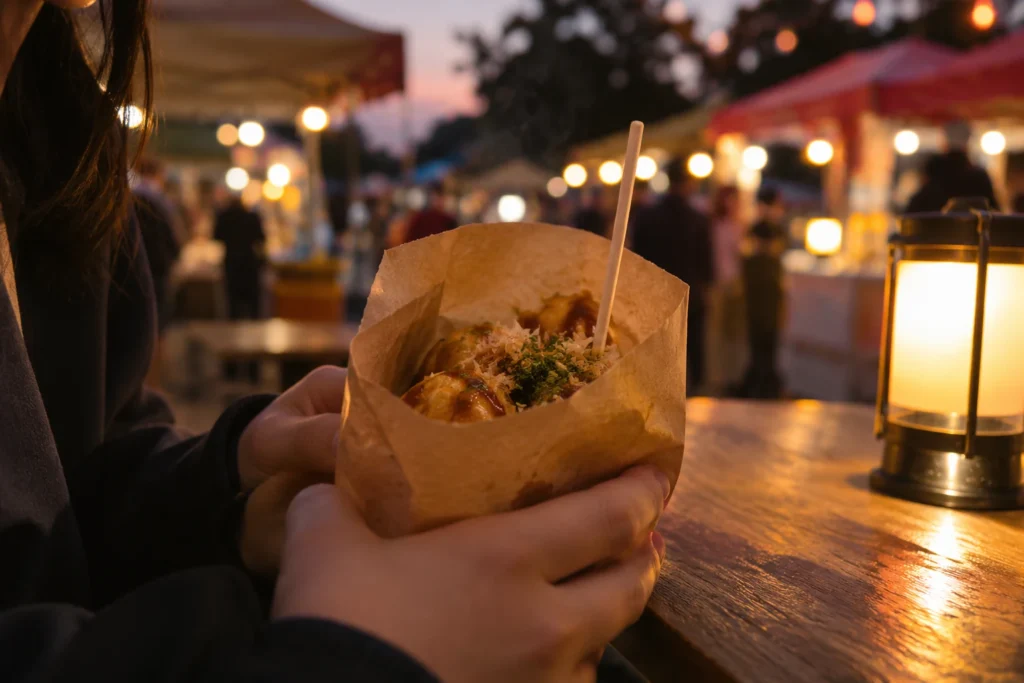
Beijing’s night markets offer different combinations of regional food, craft stalls and entertainment. A July 2026 city guide linked Dongba with roast lamb and shaomai, while other markets mixed cultural demonstrations, performances and shopping. Choosing a market means choosing a particular set of stalls, rather than one standard “Beijing menu”.
Several dinners in one evening
The guide linked Dongba’s market with food from Beijing and Inner Mongolia, including roast lamb and shaomai, steamed dumplings. At Huajie, it described dishes associated with both northern and southern China. These examples make regional variety visible within a single city. (Explore a craft-focused night market.)
That variety is easier to appreciate if you resist treating one meal as a test you must pass. You could choose something familiar, ask about something you have not tried, or share a few dishes with people whose preferences differ from yours. None of those choices makes the evening more or less authentic.
Huazhao offered another kind of mixture: the guide included Mexican tacos and Indian pani puri among its examples. Food in a city does not need to come only from that city’s own traditions. An international stall can belong to the same evening as a regional Chinese dish without making either one out of place.
If ingredients or allergies matter to you, the name of a dish is only a starting point. Preparation can vary, so a specific stall’s information matters more than a general description in a city guide. Curiosity and careful questions work perfectly well together.
More than somewhere to eat
At Longfu Temple, the guide described creative stalls and demonstrations connected with cultural heritage. Moon River Town combined food with things such as handmade jewellery and vintage goods, while Lize’s programme included performances and activities for children. The attraction was therefore not just what appeared on a plate.
That changes the pace of a visit. You might stop to look at how something is made, browse a stall without buying anything, or spend part of the evening listening. Food can become the centre of the plan without being its only purpose.
It also explains why choosing a market is different from choosing a restaurant. A restaurant menu can help you plan a meal in advance. A market asks you to make several smaller decisions as you go, with the surroundings helping to shape them. Some people enjoy that freedom; others would prefer fewer options and a quieter table.
The July guide records particular programmes, not a promise that every stall is still operating. What it preserves is the variety of an evening out. The most interesting question may not be which dish represents Beijing, but which combination of food, company and things to look at would make the evening yours.
For two more ways into Chinese food, follow an unusual flavour and a menu question: Roast-duck ice cream exists and Can a menu word tell you how food was cooked?.
Sources
- Beijing Municipal Government: So Chill! Beijing’s Night Markets Await You